Finger Bun Inspired Japanese Salt Bread (Soft, Fluffy & Crispy)

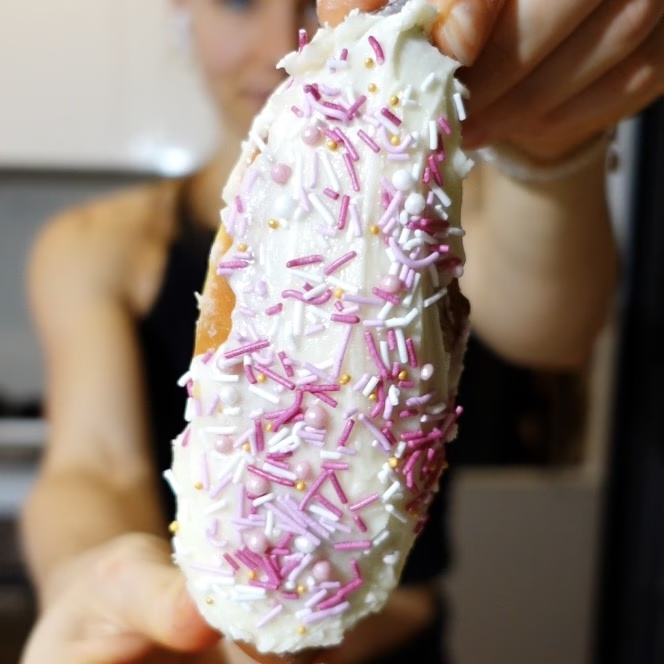
Finger bun inspired Japanese salt bread topped with white icing and pink sprinkles

This finger bun inspired Japanese salt bread recipe combines the soft, fluffy texture of Japanese shio pan with the nostalgic topping of an Australian finger bun – white icing and pink sprinkles.

Created as part of my WHIWMADC (What Happens If We Make A Dish Combining) series, this bake was built from three cards: AustraliaJapan, and Something Colourful. The result is a bakery-style bread that’s crisp on the outside, pillowy inside, buttery at the centre, and finished with a playful, recognisable topping.

What Is WHIWMADC? (And Why This Combo Works)

WHIWMADC stands for What Happens If We Make A Dish Combining — a creative series where I draw three prompts and design a recipe that brings them together in a way that actually makes sense to eat.

The Cards Drawn for This Recipe

Australian → Finger bun
Japanese → Shio pan (Japanese salt bread)
Something Colourful → Pink sprinkles

WHIWMADC recipe combining Australian finger bun and Japanese salt bread

Why Finger Buns and Shio Pan Are a Perfect Match

Both finger buns and shio pan are soft, enriched breads. Shio pan provides structure, butteriness, and a crisp crust, while finger buns contribute sweetness, nostalgia, and colour. The combination creates a balanced fusion baking recipe rather than a novelty mash-up.

What Is Japanese Salt Bread (Shio Pan)?

Japanese salt bread, also known as shio pan, is a popular Japanese bakery bread known for its texture contrast and simplicity.

What Does Shio Pan Taste Like?

Shio pan is:

– soft and fluffy on the inside

– crisp and lightly salted on the outside

– rich from butter rolled into the dough

Why Shio Pan Is So Popular in Japanese Bakeries

Japanese salt bread is baked at a high temperature with steam, which creates a crisp exterior while keeping the interior soft and fluffy. The butter melts inside the dough as it bakes, giving the bread its signature flavour, structure and crisp.

Soft and fluffy Japanese salt bread with buttery centre and crisp exterior

How This Finger Bun Inspired Version Is Different

The Base Dough

This recipe uses a Japanese-style shio pan dough with tangzhong, a technique that improves softness, elasticity, and moisture retention. The result is a soft and fluffy bread that still holds its shape around the butter filling.

The Finger Bun Topping

A traditional Australian finger bun is topped with white icing and pink sprinkles. This version keeps the topping simple and recognisable, allowing the bread itself to remain the focus.

Ingredients You’ll Need​

For the Japanese Salt Bread Dough

520g bread flour

240g ice-cold water

30g sugar

10g salt

40g non-fat milk powder

40g cold unsalted butter

7g instant dry yeast

For the Tangzhong

25g bread flour

125g water

For the Butter Filling

12 × 15g salted butter sticks (180g total)

For the Finger Bun Topping

200g icing sugar

20g softened butter

½tsp vanilla extract

2–3 tbsp milk

Pink sprinkles

Shaping Japanese salt bread dough with butter filling before baking

How to Make Finger Bun Inspired Japanese Salt Bread

Step 1 — Make the Tangzhong

Whisk the flour and water together in a saucepan. Cook over medium heat, stirring constantly, until a thick paste forms. Remove from heat and cool completely before using.

Tangzhong improves the texture of the bread by allowing it to hold more moisture.

Step 2 — Mix and Knead the Dough

Add the flour, sugar, salt, milk powder, yeast, tangzhong, and cold water to a stand mixer fitted with a dough hook. Mix on low speed until a shaggy dough forms.

Add the cold butter and knead on medium speed for 15–25 minutes, until the dough is smooth, elastic, and passes the windowpane test. Long kneading is essential for developing structure in soft Japanese bread.

Step 3 — Shape and Fill with Butter

After the first rise, divide the dough into 80 g portions. Roll each portion into a teardrop shape, flattening the wide end into a triangle.

Place a butter stick at the wide end and roll tightly towards the point, creating tension in the dough. Place seam-side down on a non-stick baking tray.

Step 4 — Bake for a Crispy Outside

Preheat the oven to 250°C (or as hot as it will go). Lightly mist the rolls with water, then mist again generously just before baking to create steam.

Lower the oven temperature to 200°C once the tray goes in and bake for 12–15 minutes, until golden, crisp, and evenly coloured.

Step 5 — Add the Finger Bun Topping

Allow the rolls to cool completely. Mix the icing sugar, butter, vanilla, and enough milk to form a thick but spreadable icing. Spoon or spread over the rolls and finish with pink sprinkles.

Proofed Japanese salt bread rolls ready to bake

Why Use Tangzhong in This Recipe?

What Is Tangzhong?

Tangzhong is a cooked flour paste used in Japanese baking to improve softness and moisture retention in bread.

Benefits of Tangzhong in Bread

Using tangzhong:

– creates a softer, fluffier crumb

– helps bread stay fresh for longer

– improves elasticity and structure

– allows higher hydration without stickiness

This technique is key to achieving bakery-style Japanese bread at home.

Why I Love This Recipe

This recipe balances technique with nostalgia. It’s playful without being gimmicky, and it delivers on texture as much as it does on appearance. The contrast between crisp crust, soft interior, melted butter, and sweet icing works – and it captures exactly what WHIWMADC is about.

FAQs – Finger Bun Inspired Japanese Salt Bread

What is Japanese salt bread?

Japanese salt bread, or shio pan, is a soft bread roll with a crisp, lightly salted crust and a buttery centre, commonly found in Japanese bakeries.

What makes Japanese bread so soft and fluffy?

Japanese bread uses techniques like tangzhong, higher hydration, and longer kneading to create a soft, elastic crumb.

Can I make shio pan with plain flour?

Yes, but bread flour gives better structure and chew. Plain flour will result in a softer, less elastic bread.

Why is my salt bread not crispy on the outside?

A hot oven and steam are essential. Spraying the dough with water before baking helps create a crisp crust.

What is a traditional finger bun topping?

A traditional Australian finger bun is topped with white icing and either white, pink or rainbow sprinkles. Coconut is optional but not required.

Can I make these ahead of time?

Yes. You can bake the rolls ahead of time and ice them on the day of serving but they are going to be at their crispiest straight out of the oven.

Japanese salt bread finished with pink sprinkles inspired by Australian finger buns
Finger bun inspired Japanese salt bread topped with white icing and pink sprinkles

Finger Bun Inspired Japanese Salt Bread

This finger bun inspired Japanese salt bread recipe combines the soft, fluffy texture of Japanese shio pan with the nostalgic topping of an Australian finger bun
Prep Time 30 minutes
Cook Time 15 minutes
Resting Time 2 hours
Course: Snack
Cuisine: Australian, Japanese

Ingredients
  

For the Japanese Salt Bread Dough
  • 520 g bread flour
  • 240 g ice-cold water
  • 30 g sugar
  • 10 g salt
  • 40 g non-fat (skim) milk powder
  • 40 g cold unsalted butter
  • 7 g instant dry yeast
For the Tangzhong
  • 25 g bread flour
  • 125 g water
For the Butter Filling
  • 180 g salted butter sticks 12 x 15g portions
For the Finger Bun Topping
  • 200 g icing sugar
  • 20 g softened butter
  • ½ tsp vanilla extract
  • 2-3 tbsp tbsp milk
  • Pink sprinkles

Method
 

Make the Tangzhong
  1. Whisk the flour and water together in a saucepan. Cook over medium heat, stirring constantly, until a thick paste forms. Remove from heat and cool completely before using.
Mix and Knead the Dough
  1. Add the flour, sugar, salt, milk powder, yeast, tangzhong, and cold water to a stand mixer fitted with a dough hook. Mix on low speed until a shaggy dough forms.
  2. Add the cold butter and knead on medium speed for 15–25 minutes, until the dough is smooth, elastic, and passes the windowpane test. Long kneading is essential for developing structure in soft Japanese bread.
  3. Set aside to rise for around an hour or until doubled in size.
Shape and Fill with Butter
  1. After the first rise, divide the dough into 80 g portions. Roll each portion into a teardrop shape, flattening the wide end into a triangle.
  2. Place a butter stick at the wide end and roll tightly towards the point, creating tension in the dough. Place seam-side down on a non-stick baking tray.
  3. Set aside to rise again for 45 minutes or until doubled in size and the dough springs bake when lightly pressed.
Bake for a Crispy Outside
  1. Preheat the oven to 250°C (or as hot as it will go). Lightly mist the rolls with water, then mist again generously just before baking to create steam.
  2. Lower the oven temperature to 200°C once the tray goes in and bake for 12–15 minutes, until golden, crisp, and evenly coloured.
Add the Finger Bun Topping
  1. Allow the rolls to cool completely. Mix the icing sugar, butter, vanilla, and enough milk to form a thick but spreadable icing. Spoon or spread over the rolls and finish with pink sprinkles.
Leave a Reply

Your email address will not be published. Required fields are marked *

Recipe Rating


OTHER RECIPES YOU’LL LOVE!

Hey! I’m Montana...

Mon Mack Food is my little space to share my passion for food. It is also a place to document the recipes I’ve created while cooking for friends and family! While it is now just a hobby, my absolute dream is to build this project into something I can one day call my job 🙂

Sign up to get the latest recipe inspiration straight to your inbox!
RECENT POSTS
Search