Overnight Braised Beef Cheeks (17-Hour Low & Slow)

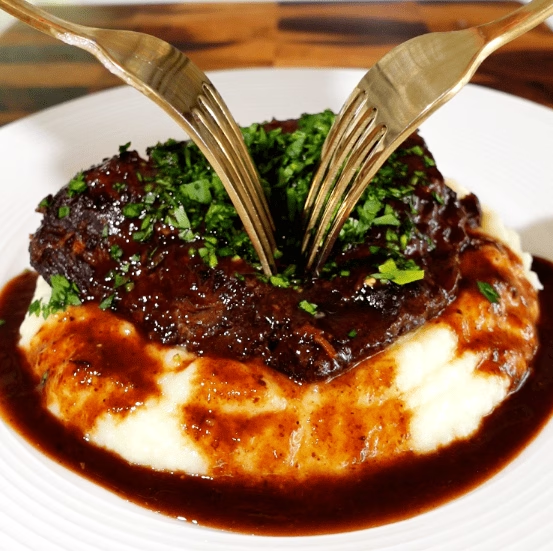
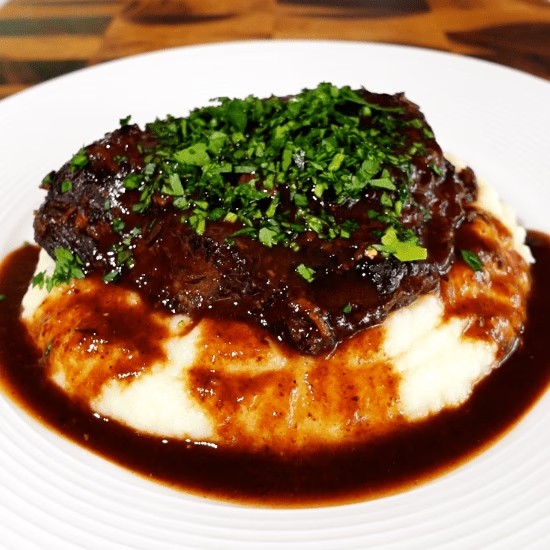
overnight 17 hour slow cooked beef cheek with red wine and thyme
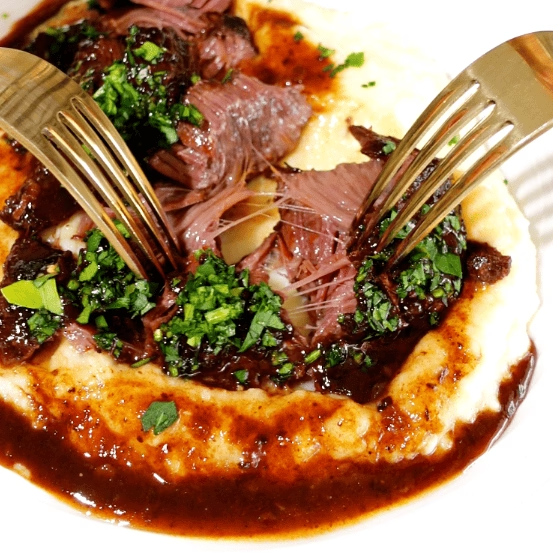
If you are looking for the ultimate comfort food that cuts like butter, these red wine and thyme braised beef cheeks are the answer. By cooking them incredibly low and slow – from 3:00 PM until 8:00 AM the next morning at 90°C – the tough collagen completely transforms into a rich, velvety gelatin.
This foolproof, overnight braise locks in deep flavours using simple ingredients like rich tomato paste, earthy thyme, and rustic, skin-on garlic cloves.

Why You Will Love This Overnight Beef Cheek Recipe

True Melt-in-Your-Mouth Texture:
Cooking at 90°C for 17 hours guarantees the most tender beef you will ever eat.

Effortless Overnight Braise:
Let your oven or slow cooker do 100% of the heavy lifting while you sleep.

Rich, Glossy Sauce:
The braising liquid naturally thickens into a deeply savoury red wine reduction.

Ingredients You Will Need

Beef Cheeks: Look for well-trimmed cheeks with good marbling.

Red Wine: A bold dry red like Cabernet Sauvignon, Shiraz, or Merlot works best.

Tomato Paste: Adds a deep, savoury umami base to the liquid.

Fresh Thyme: Earthy herbs that pair perfectly with rich beef.

Garlic: Whole cloves left skin-on to roast gently in the liquid without burning or turning bitter.

Water: To submerge the meat and balance the reduction.

Step-by-Step Cooking Method

 1. The Prep and Sear
Pat your beef cheeks dry and season generously with sea salt and cracked black pepper. Sear them in a hot Dutch oven until a deep golden crust forms on both sides, then remove them from the pan.
 
2. Build the Braising Liquid
Turn down the heat and stir in the tomato paste, letting it darken for 1–2 minutes. Deglaze the pan by pouring in the red wine, scraping up all the golden bits from the bottom. Add the water, fresh thyme sprigs, and the whole, skin-on garlic cloves.
 
3. The Low and Slow Overnight Cook
Return the beef cheeks to the liquid. Cover with a tight-fitting lid. Place in an oven preheated to 90°C at 3:00 PM. Let it braise undisturbed until 8:00 AM the following morning (17 hours total).
 
4. The Critical Cooling Phase
Remove the pot from the oven and let it cool completely in the liquid. This allows the relaxed meat fibers to reabsorb the rich juices and prevents the beef from drying out or shredding into mush. Once cool, transfer the pot to the fridge to allow the gelatin to fully set.
overnight 17 hour slow cooked beef cheek with red wine and thyme

Do I Have to Rest Them in the Fridge?

Yes, for the absolute best results. While you can eat them straight out of the pot, resting the beef cheeks in the fridge overnight inside their braising liquid transforms the dish.
As the gelatin cools completely, it solidifies. This locks the moisture permanently into the meat fibers. When you slice or shred the cold beef cheeks later, they hold their shape perfectly without turning to mush. Additionally, cooling them in the fridge solidifies the fat at the top into a hard white layer, making it effortless to lift off and discard before reheating.

Can I Cook Beef Cheeks Faster? (Speed Options)

If you do not have 17 hours to spare overnight, you can accelerate the cooking process by raising the temperature:
 

The 4 to 5-Hour Oven Method: Cook covered at 150°C (300°F). The higher heat breaks down the collagen faster, but keep a close eye on the liquid level to ensure it does not boil dry.

The 6 to 8-Hour Slow Cooker Method: Cook on Low for 6–8 hours. This mimics the low-temperature breakdown of the overnight method in a shorter daytime window.

The 1-Hour Pressure Cooker / Instant Pot Method: Cook on High Pressure for 60 to 75 minutes, followed by a natural pressure release. This is the fastest way to force the tough fibers to tenderize, though the sauce will need reducing afterward.

Flavor Variations and Alternative Bases

While the classic red wine and thyme braise is unbeatable, beef cheeks are incredibly versatile and handle bold flavors beautifully. Try these alternative bases:
 

Beef Cheek Curry:

Swap the red wine and water for coconut milk and beef stock. Replace the thyme with 2–3 tablespoons of massaman, panang, or madras curry paste. Add ginger, lemongrass, and a splash of fish sauce for an aromatic, ultra-tender curry.

Mexican Birria Style:

Ditch the wine and blend rehydrated dried chillies (like Guajillo and Ancho) with tomato paste, apple cider vinegar, cumin, and oregano. Braise the cheeks in this smoky liquid to make the ultimate taco or quesadilla filling.

Stout or Dark Beer Braise:

Swap the red wine for a rich Guinness or dark ale. Add a tablespoon of brown sugar or molasses to balance the bitterness of the beer. This creates a deeply savory, pub-style gravy.

overnight 17 hour slow cooked beef cheek with red wine and thyme

Serving Suggestions

Turn your braised beef cheeks into a restaurant-quality meal with these pairing ideas:

The Classic Bed:

Serve over rich garlic mashed potatoes, creamy parmesan polenta, or a velvety cauliflower and parsnip purée to soak up the sauce.

The Pasta Toss:

Shred the beef cheeks into the reduced red wine sauce and toss with wide pasta like pappardelle or rigatoni. Top with fresh parsley and grated Pecorino Romano.

The Bistro Style:

Serve whole cheeks alongside roasted root vegetables (carrots, parsnips, and shallots) and a side of crusty sourdough bread to mop up the gravy.

Storage and Leftover Instructions

Braised beef cheeks taste even better the next day as the flavours continue to meld.
 

Refrigeration:

Store leftovers in an airtight container, fully submerged in their sauce, for up to 4 days in the fridge.

Freezing:

Beef cheeks freeze beautifully. Place the meat and sauce in a freezer-safe container or heavy-duty freezer bag for up to 3 months. Thaw completely in the fridge overnight before reheating.

Reheating:

Reheat gently in a saucepan over medium-low heat with a lid on, stirring occasionally until the meat is hot through and the gelatin has melted back into a rich sauce.

Genius Ways to Repurpose Leftover Beef Cheeks

overnight 17 hour slow cooked beef cheek with red wine and thyme
Don’t let that rich, tender meat go to waste. Transform your leftovers into entirely new meals:
 

Beef Cheek Ragu: Shred the leftovers, mix with a tin of crushed tomatoes, and simmer to create a rich, deep pasta sauce.

Gourmet Jaffle or Toastie: Shred the beef and sandwich it between sourdough with sharp cheddar and gruyère cheese for the ultimate melt.

Beef Cheek Tacos: Crisp up shredded leftovers in a hot pan, load them into corn tortillas, and top with diced white onion, coriander, and lime juice.

The Ultimate Meat Pie: Use the shredded beef and thickened gravy as a filling for a puff pastry meat pie or individual pot pies.

Frequently Asked Questions (FAQs)

Why cook beef cheeks at 90°C for 17 hours?
Beef cheeks are a heavily worked facial muscle packed with tough connective tissue. Cooking them below the boiling point (at 90°C) over a long period allows the collagen to melt slowly into gelatin without boiling the meat proteins, which would make them tough and stringy.
 
Why do you leave beef cheeks to cool completely after braising?
Cooling the beef cheeks entirely in their braising liquid lets the meat reabsorb moisture, prevents valuable juices from escaping as steam, and firms up the gelatin. This makes the meat incredibly juicy and easier to slice or shred without falling apart cleanly.
 
What should I serve with braised beef cheeks?
Because the red wine sauce is incredibly rich, pair it with a creamy base to soak up the gravy. Excellent choices include buttery garlic mashed potatoes, creamy polenta, parsnip purée, or wide egg noodles like pappardelle.
 
Can I make this recipe in a slow cooker?
Yes. You can follow the searing and deglazing steps in a pan, then transfer everything to a slow cooker. Set it to the ‘Low’ setting for the equivalent 17-hour overnight window.

How to Turn the Braising Liquid into a Glossy Jus (Plus Flavor Customisations)

Once your beef cheeks have cooled and you have skimmed off the hardened fat, do not throw away that liquid! It is liquid gold. Because you cooked the meat low and slow overnight, the liquid is absolutely packed with natural gelatin. This means it will reduce into a thick, restaurant-quality lacquer without needing any cornflour or thickeners.

Here is how to refine and customise your final jus:
 
1. Strain the Base
Remove the cold beef cheeks from the pot and set them aside. Pour the remaining braising liquid through a fine-mesh strainer into a wide saucepan. Press down gently on the skin-on garlic cloves with the back of a spoon to squeeze their sweet, mellow paste directly into the liquid, then discard the skins and woody thyme stems.
 
2. Reduce for Gloss and Body
Place the saucepan over medium-high heat and bring it to a rapid simmer. Leave it uncovered. Let the liquid reduce by about half until it naturally thickens and coats the back of a spoon beautifully.
 
3. Adjust and Balance the Flavours
Taste the reduced liquid and balance the four pillars of flavor to your liking:

The Umami Boost:

Add a few shakes of Worcestershire sauce for an earthy, savory depth.

The Acid Cut:

If the sauce tastes a bit too heavy or rich, add a splash of red wine vinegar to brighten it up.

The Sweet Balance:

If the red wine left a slightly bitter or dry edge, stir in a tiny pinch of brown sugar to round it out.

The Finishing Salt:

Add a pinch of sea salt only if the flavors need an extra pop.

 
4. Optional Flavor Variations to Try
Before you finish reducing, you can take your jus in a few different directions depending on your main meal:
 
The Bistro Mustard Jus:
Whisk in 1–2 teaspoons of Dijon or wholegrain mustard right at the end. It adds a sharp, tangy kick that cuts beautifully through the rich beef fat.

The Fresh Herb Refresh:

The long overnight cook extracts all the oils from the initial thyme, leaving it mellow. Stir in a tablespoon of finely chopped fresh rosemary, tarragon, or flat-leaf parsley in the last 2 minutes of simmering for a vibrant, aromatic punch.

The Luxe Butter Glaze:

Turn off the heat and whisk in a knob of cold, unsalted butter. This technique (called monter au beurre) gives the jus a brilliant, glossy mirror shine and a silky mouthfeel.

5. The Final Glaze
Turn the heat down to low, return the beef cheeks to the pan, and spoon the hot, glossy jus over the top until the meat looks completely lacquered and glistening.
overnight 17 hour slow cooked beef cheek with red wine and thyme

Overnight Braised Beef Cheeks (17-Hour Low & Slow)

Learn how to make melt-in-your-mouth overnight braised beef cheeks. Our 17-hour low and slow method at 90°C guarantees perfectly tender results every time.
Prep Time 20 minutes
Cook Time 17 hours
Resting Time 6 hours
Total Time 23 hours 20 minutes
Servings: 4
Course: Dinner
Cuisine: French

Ingredients
  

  • 4 large beef cheeks well-trimmed
  • ½ bottle approx. 375ml dry red wine (e.g., Cabernet Sauvignon, Shiraz, or Merlot)
  • 2 tbsp tomato paste
  • 1 large bunch fresh thyme sprigs
  • 1 whole head of garlic broken into individual cloves (leave the skins on)
  • Water enough to completely cover the meat
  • 2 tbsp olive oil or vegetable oil for searing
  • Generous amount of sea salt and cracked black pepper

Equipment

  • Heavy-based Dutch oven or oven-safe lidded pot
  • Tongs
  • Wooden spoon or silicone spatula

Method
 

Prep and Sear the Meat
  1. Pat the beef cheeks completely dry using paper towels.
  2. Season all sides generously with sea salt and freshly cracked black pepper.
  3. Heat the oil in your Dutch oven over medium-high heat.
  4. Add the beef cheeks and sear for 3–4 minutes per side until a deep, dark golden crust forms.
  5. Remove the cheeks from the pot and set aside on a plate.
Build the Braising Base
  1. Turn the stove heat down to medium. Add the tomato paste to the residual hot oil and beef fat. Cook it down for 1–2 minutes, stirring constantly until it darkens to a brick-red colour.
  2. Pour in your half-bottle of red wine to deglaze the pot. Use your wooden spoon to aggressively scrape up all the caramelised, golden beef bits stuck to the bottom of the pot.
  3. Drop in the fresh thyme sprigs and the whole, skin-on garlic cloves. Stir to combine.
The Overnight Braise
  1. Preheat your oven to 90°C (195°F).
  2. Return the seared beef cheeks and any rested juices back into the pot.
  3. Pour in enough water to completely cover the beef cheeks.
  4. Put the lid on tightly. If your lid has gaps, place a sheet of baking paper or foil over the pot first, then press the lid down to tightly seal the steam inside.
  5. Place the pot in the oven. Leave it to braise undisturbed overnight.
The Critical Cool and Rest
  1. The next morning (17 hours later), carefully remove the pot from the oven. Do not open the lid yet.
  2. Leave the pot on the bench top to cool completely to room temperature inside the liquid.
  3. Once cooled, transfer the entire covered pot (or move the meat and liquid into a sealed container) into the fridge for at least 4 hours, or ideally overnight.
Skim, Warm, and Serve
  1. Pull the cold pot from the fridge. Use a spoon to easily lift off and discard the solid layer of white fat that has formed on the surface.
  2. Pick out and discard the woody thyme stems. (The garlic skins can be strained out now, or squeezed directly into the sauce for extra flavour).
  3. Place the pot on the stove over medium-low heat. Cover and warm gently until the rich gelatine melts back into a glossy, velvety sauce and the beef cheeks are hot all the way through.
  4. Serve hot over a bed of creamy mashed potatoes or polenta.

Leave a Reply

Your email address will not be published. Required fields are marked *

Recipe Rating


OTHER RECIPES YOU’LL LOVE!

Hey! I’m Montana...

Mon Mack Food is my little space to share my passion for food. It is also a place to document the recipes I’ve created while cooking for friends and family! While it is now just a hobby, my absolute dream is to build this project into something I can one day call my job 🙂

Sign up to get the latest recipe inspiration straight to your inbox!
RECENT POSTS
Search